
Home >

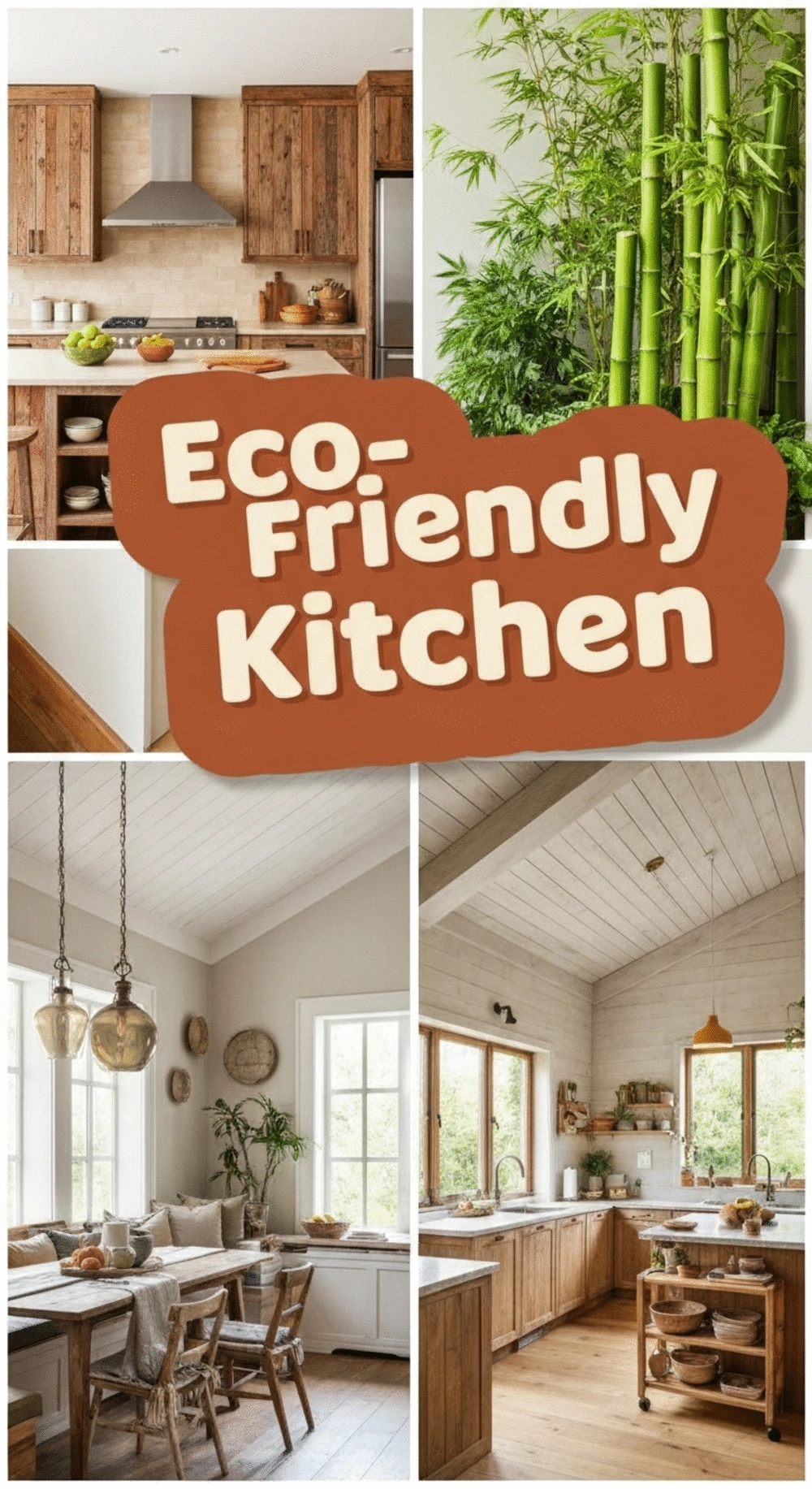
Eco-friendly kitchen decorating ideas for warmth

Eco-friendly kitchen decorating ideas for warmth

Eco-friendly kitchen decorating ideas for sustainable living
Clara Whitmore | 2025-11-23

Creating an eco-friendly kitchen isn't just an aesthetic choice; it's a powerful commitment to sustainability that can transform your home and the environment. What if simple changes in your kitchen could lead to a healthier planet and inspire your culinary creativity? Let's explore how you can make a difference.

What You Will Learn

  • Understanding the principles of sustainable kitchen design, focusing on energy efficiency, materials selection, and waste reduction.
  • The importance of eco-friendly kitchens in promoting healthier living spaces and reducing carbon footprints.
  • Practical tips for making small, impactful changes in your kitchen, such as swapping single-use plastics and investing in energy-efficient appliances.
  • How to adopt zero-waste initiatives, including effective recycling and using all parts of ingredients.

Understanding Eco-Friendly Kitchen Decorating for a Sustainable Home

Creating an eco-friendly kitchen is not just a trend; it's a commitment to sustainability and a healthier home environment. At Kitchen Cozy Space Vibes, we believe that your kitchen should reflect your values while also being a space that inspires culinary creativity. So, what exactly is sustainable kitchen design, and why is it important? Let's dive in!
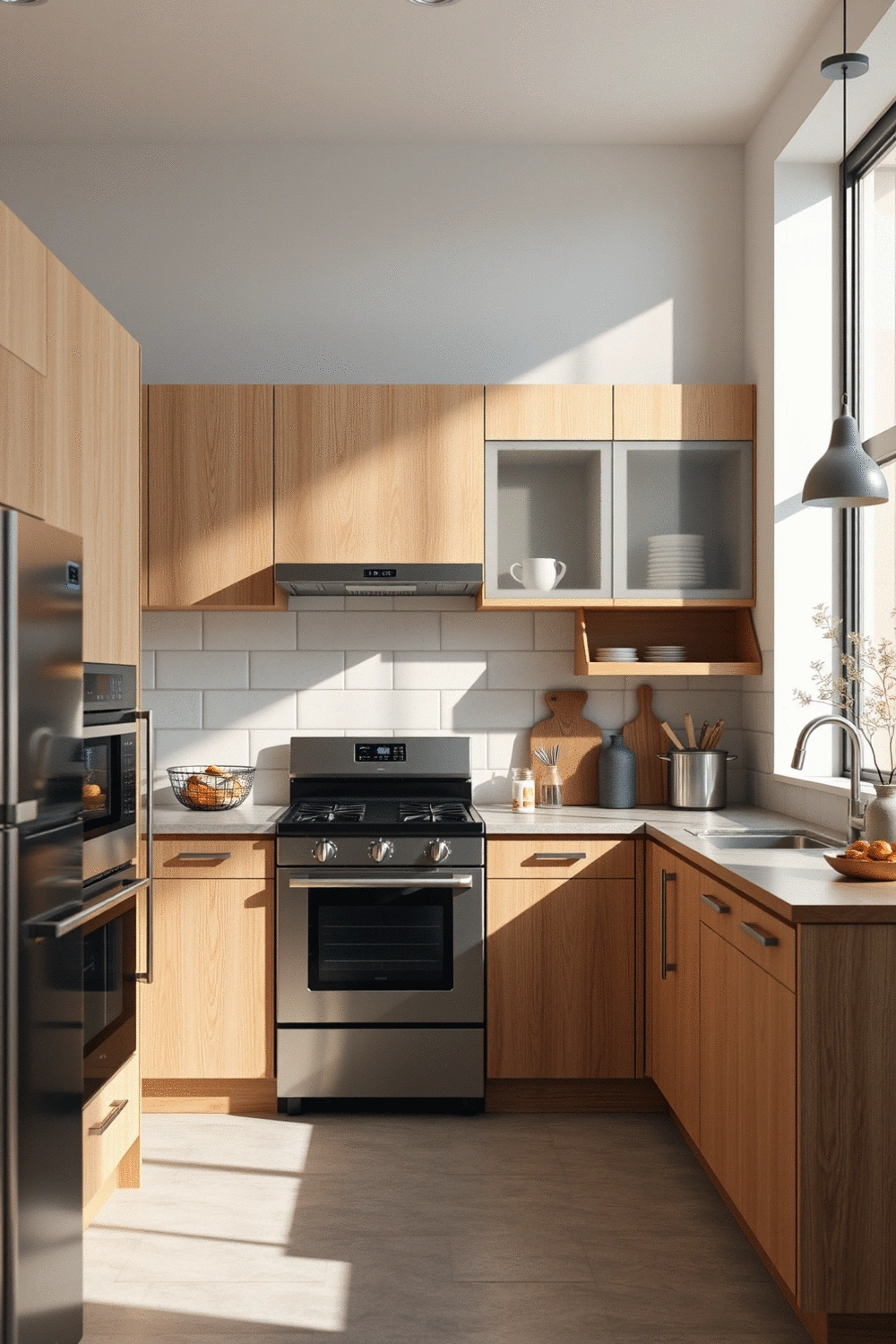
Modern kitchen interior with sleek, energy-efficient appliances and natural wood cabinetry

Sustainable kitchen design focuses on using materials and practices that minimize environmental impact. This can include choosing energy-efficient appliances, opting for sustainable materials, and creating a layout that promotes waste reduction. By incorporating these elements, we not only enhance the charm of our kitchens but also contribute to the well-being of our planet.

Defining Sustainable Kitchen Design and Its Importance

Sustainable kitchen design goes beyond aesthetics; it’s about creating a space that is both functional and environmentally friendly. Here are some key aspects to consider:

  • Energy Efficiency: Using appliances that consume less energy helps reduce your utility bills and carbon footprint.
  • Materials Selection: Choosing sustainably sourced materials, like bamboo or reclaimed wood, can enhance the beauty of your kitchen while being eco-conscious.
  • Waste Reduction: Designing for efficiency can minimize food waste and promote recycling practices, creating a more responsible kitchen lifestyle.

By understanding and implementing these principles, we can create kitchens that not only look good but are also kind to the environment.

How Eco-Friendly Kitchens Contribute to Sustainable Living

Eco-friendly kitchens play a critical role in promoting sustainable living. They offer numerous benefits that extend beyond the kitchen itself:

  • Reduced Carbon Footprint: By using energy-efficient appliances and sustainable materials, we lower our overall impact on the environment.
  • Healthier Living Spaces: Using low-VOC paints and natural cleaning supplies contributes to better indoor air quality, which is essential for our well-being.
  • Community Support: Choosing local and sustainable products can help boost local economies and encourage environmentally friendly practices.

As you embrace eco-friendly decorating, think about how these choices resonate with your values. If you’re looking for more ways to create a beautiful and functional kitchen, check out my post on 10 Cozy Kitchen Decorating Ideas for a Warm Retreat for inspiration. It's all about creating spaces that feel like home while being mindful of our planet!

Encouraging Small Steps Towards an Eco-Friendly Kitchen

Creating an eco-friendly kitchen is not just about grand gestures; it's about making small, meaningful changes that can add up over time! The benefits of sustainable kitchen decorating are numerous, from reducing waste to enhancing your home's aesthetic. Embracing eco-friendly practices not only contributes to a healthier planet but also inspires creativity in how we use our spaces.
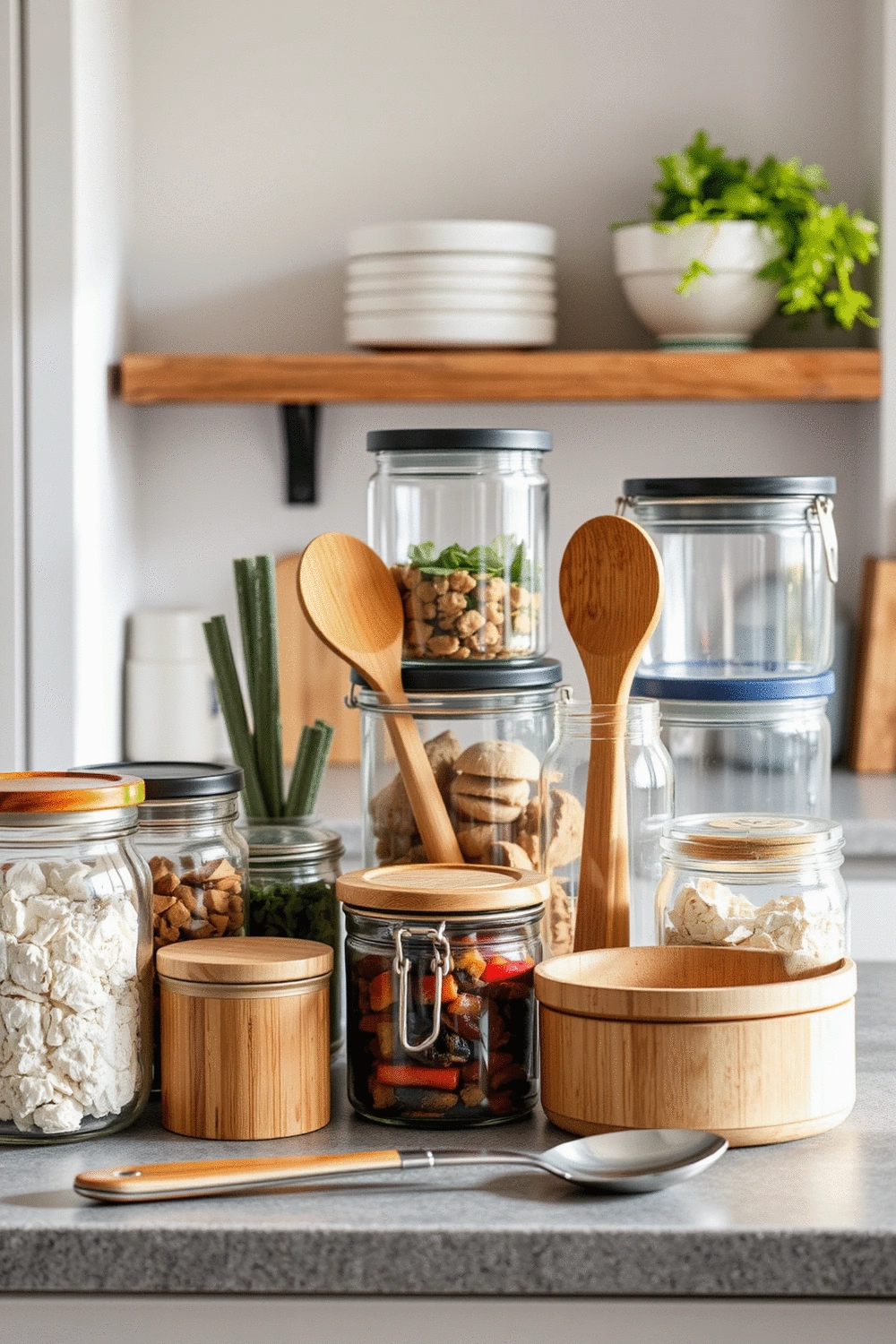
Various reusable kitchen containers and utensils made from glass, bamboo, and stainless steel, neatly arranged on a countertop
  • Reduces your carbon footprint
  • Creates a healthier living environment
  • Encourages resourcefulness and creativity
  • Enhances the overall aesthetic and comfort of your home

By transforming your kitchen into a sustainable haven, you're not only nurturing your home but also fostering a sense of well-being that comes from knowing you're doing your part. Ready to take action? Here are some easy steps to start reducing your kitchen’s environmental impact today!

Taking Action: How to Start Reducing Your Kitchen’s Environmental Impact Today

Getting started on your journey towards an eco-friendly kitchen is easier than you might think! Here are some practical tips to implement right away:

  • Swap out single-use plastics for reusable containers and utensils.
  • Invest in energy-efficient appliances that save both energy and money.
  • Start composting kitchen scraps to minimize waste.
  • Choose local and organic ingredients when shopping for groceries.
  • Incorporate natural lighting and energy-efficient bulbs to brighten your space.

Every small action counts. By making these simple changes, you can significantly lower your kitchen's environmental impact while maintaining a stylish and functional space. If you want to dive deeper into creating a beautiful and efficient kitchen, check out my post on creating a functional and beautiful cooking space on a budget!

Exploring Zero Waste Initiatives for Your Kitchen

Zero-waste living is an incredible goal for anyone looking to minimize their environmental footprint. In your kitchen, this can be achieved through various initiatives:

  • Implement a strict recycling program to separate waste effectively.
  • Use every part of your ingredients—think of vegetable scraps for broth!
  • Purchase in bulk to reduce packaging waste.
  • Consider investing in upcycled kitchen accessories that add character and reduce waste.
A composting bin filled with vegetable scraps on a kitchen counter next to fresh produce, showcasing zero-waste practices

With a little creativity and commitment, you can adopt zero-waste practices that not only benefit the environment but also elevate your kitchen's charm. Interested in enhancing your kitchen even further? Explore my tips on how to organize your kitchen for style and efficiency! For tips on incorporating natural elements in other areas of your home, read about biophilic design. You might also find inspiration for creating a peaceful sleeping environment by exploring eco-friendly bedroom decor ideas.

Recap of Key Points

Here is a quick recap of the important points discussed in the article:

  • Energy Efficiency: Opt for energy-efficient appliances to reduce utility bills and carbon footprint.
  • Materials Selection: Choose sustainable materials like bamboo or reclaimed wood for an eco-friendly kitchen.
  • Waste Reduction: Design with efficiency in mind to minimize waste and promote recycling practices.
  • Healthier Living Spaces: Use low-VOC paints and natural cleaning supplies for better indoor air quality.
  • Community Support: Choose local and sustainable products to boost local economies and support eco-friendly practices.
  • Zero-Waste Initiatives: Implement recycling programs and use every part of your ingredients to achieve zero waste.

Frequently Asked Questions About Eco-Friendly Kitchens

  1. What are the core principles of sustainable kitchen design?
    The core principles include energy efficiency (using less energy consuming appliances), sustainable material selection (like bamboo or reclaimed wood), and waste reduction (minimizing food waste and promoting recycling).
  2. How do eco-friendly kitchens benefit my health and the environment?
    Eco-friendly kitchens reduce your carbon footprint, create healthier living spaces by using low-VOC paints and natural cleaning supplies, and support local economies through sustainable product choices.
  3. What are some easy first steps to make my kitchen more eco-friendly?
    Start by swapping single-use plastics for reusable containers, investing in energy-efficient appliances, composting kitchen scraps, choosing local and organic ingredients, and using natural lighting and energy-efficient bulbs.
  4. What does "zero-waste" mean in the context of a kitchen?
    Zero-waste in a kitchen means implementing strict recycling programs, using all parts of your ingredients (e.g., vegetable scraps for broth), purchasing in bulk to reduce packaging, and using upcycled accessories.
  5. How can I support my community through eco-friendly kitchen choices?
    By choosing local and sustainable products, you help boost local economies and encourage environmentally friendly practices within your community.
Subscribe & Share

About Kitchen Cozy Space Vibes

We're dedicated to transforming your kitchen into a beautiful, functional, and inspiring space. Discover innovative decorating ideas, smart organization solutions, and design inspiration that celebrates your unique style.